
Exercise Physiology for Breast Cancer
Supporting you through every stage of Breast Cancer treatment and recovery
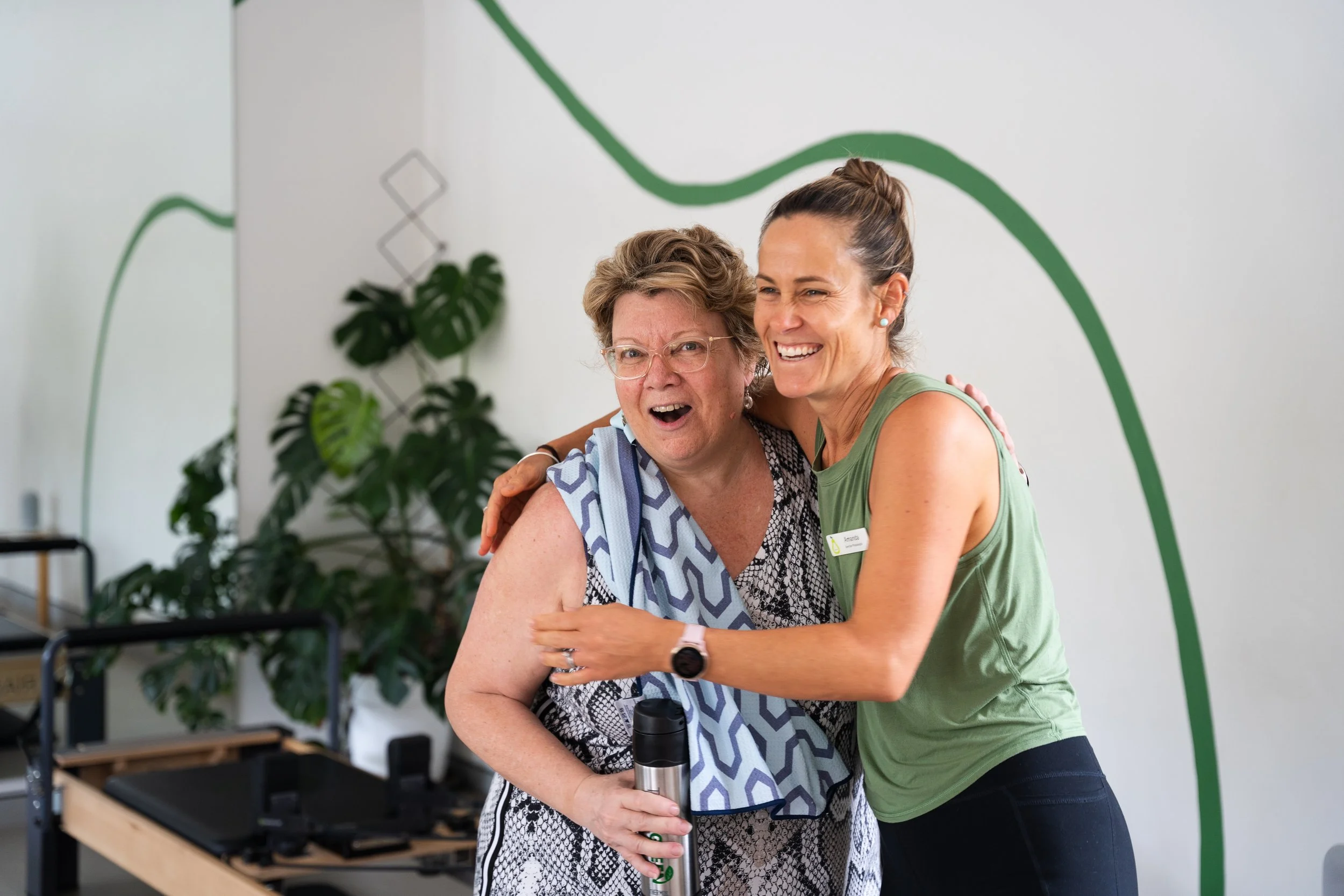
A breast cancer diagnosis can change many aspects of life, let alone our relationship with movement.
Surgery, chemotherapy, radiation therapy, hormone therapy and targeted treatments can all impact strength, energy levels, mobility and confidence.
At Pear Exercise Physiology, we help women safely exercise before, during and after breast cancer treatment. Our Exercise Physiologists create personalised programs designed to support recovery, reduce treatment side effects and help you return to the activities that matter most.
Whether you have recently been diagnosed, are undergoing treatment, or completed treatment years ago, exercise can play an important role in your recovery and long-term health.
What is Exercise Physiology?
Exercise Physiologists are university-qualified allied health professionals who specialise in using exercise as medicine.
We assess your current health, treatment history, symptoms and goals before developing an individualised exercise program tailored to your needs.
Our programs are designed to be safe, evidence-based and adaptable to the changing demands of cancer treatment and recovery.
Exactly how cancer rehab can help - both during and after treatments
Research consistently shows that exercise is one of the most effective medicines for managing the physical, and emotional, impacts of breast cancer. In fact, cancer rehabilitation exercise is now recommended as a standard part of cancer care by leading cancer organisations worldwide.
Exercise can help
Reduce cancer-related fatigue (yes, really! We can explain more below how this works)
Improve your strength
Increase your muscle mass
Maintain cardiovascular fitness
Improve balance and mobility
Support bone health
Reduce treatment-related side effects
Improve sleep quality
Reduce anxiety and stress
Improve confidence in your body
Support a return to work, hobbies and everyday activities that you love
Common Breast Cancer concerns we can help with….
Many women experience significant fatigue both during and after treatment. While it may seem counterintuitive, appropriately prescribed exercise is one of the most effective ways to manage cancer-related fatigue.
The way we like to explain fatigue management with exercise, is through an analogy of energy as currency.
If you think of every activity you do - driving, walking even brushing your teeth having an energy cost. When we invest some of our energy currency into structured exercise, we can help to have that energy returned, with interest. Working with a Clinical Exercise Physiologist can help with structuring this rehab so you don’t end up bankrupting your energy.
Cancer-related fatigue
The toxicity of treatment can result in both a reduced muscle mass and strength. Our Cancer Rehab program can help you rebuild confidence, strength to do the things you love to do and build back muscle.
Loss of Strength
Following breast surgery, like mastectomy, lumpectomy and even sentinel node biopsy - some women experience shoulder stiffness, discomfort or reduced range of motion. After you leave hospital, rehabilitation should continue - so you can reach the top shelves and move freely! Our Exercise Physiologists can assist with continuing restoring mobility and function, after the short term rehab in hospital.
Reduced shoulder range of motion
Exercise is safe and beneficial for many women living with lymphoedema or at risk of developing lymphoedema. Programs can be tailored to support safe strength and comfort in your compression garment. We work closely with trusted Lymphoedema Physiotherapists in Brisbane to provide a team approach to your care.
Lymphoedema
Certain breast cancer hormone treatments can increase your risk of osteoporosis and reduced bone density - especially if you are due to take these medications for several years. Cancer rehabilitation can help support bone health, and even reverse these side effects to keep your bones strong.
Bone Health
Frequently Asked Questions
Is exercise safe during breast cancer treatment?
In nearly all cases, yes. Exercise is considered safe and beneficial for many women during treatment when prescribed appropriately. At Pear, your Exercise Physiologist will work with you, and your medical team (Oncologist, Breast Care Nurse, Lymphoedema Physio) where required.
Do I need to be fit before starting?
Not at all. Our Cancer Rehab Programs are tailored to your current ability, and we always start where you are. Whether you are highly active or completely new to exercise, Cancer Rehab will help you through treatment and beyond.
Can I exercise if I have lymphoedema?
Yes absolutely. Current evidence supports appropriately prescribed exercise for people living with lymphoedema, or at risk of lymphoedema. We work closely with your physiotherapist, and with what is comfortable in your compression garment.