
Exercise After Hysterectomy - What the Research Actually Says
What an incredibly busy time it’s been this first part of 2026, transitioning from practitioner, to researcher, and celebrating some incredible success shared by the whole Pear team.
For those interested in what’s pulled me back to university (I am now an official PhD candidate at Australian Catholic University!) - I’m investigating a clinical question that came up all too often when I saw patients at Pear -
What should I do now I have had a hysterectomy?
Hysterectomy is the most common gynaecological surgery in Australia, yet women are still given vague or overly cautious advice about returning to exercise.
“Don’t lift more than 15 kg again.”
“You can’t play netball anymore”
“You need to take it easy for at least 12 weeks”
This is what my clients had been told by others when they came to see me at Pear, but the truth is far more encouraging, this advice is wrong (here are some articlesfor your viewing pleasure)
This advice, nothing more than old misogynistic myths that have been perpetuating by our lack of research into women’s health - in fact - with the right guidance and a gradual return to loading, women can return to full strength, exercise, and activity after hysterectomy.
Here’s what the research actually suggests.
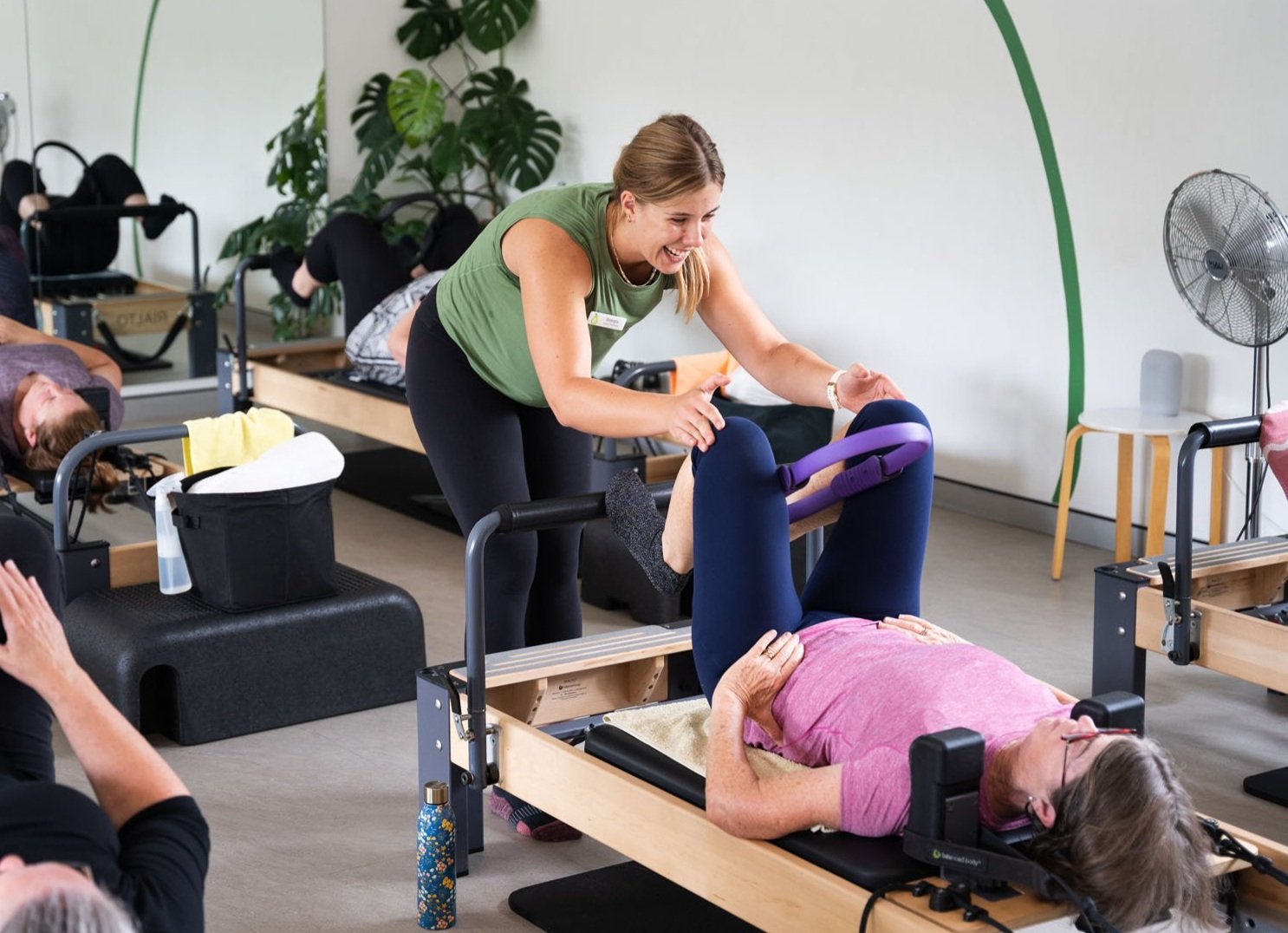
Movement Is Medicine
After surgery, movement plays an important role in recovery and long-term health. After total hip or knee replacements now, we are getting patients up and moving the very same day, as we know what a fantastic improvement it shows in long term and short term recovery (https://doi.org/10.1080/17453674.2019.1683790). This same principle should be applied after gynaecological surgery.
In the long term -returning to exercise supports our cardiovascular health, bone density, metabolic health, maintaining our muscle strength and importantly - our confidence in movement.
Let’s Talk About Lifting
Strength training and progressive loading are not something to fear after hysterectomy - they are part of maintaining lifelong health.
The key here is supported progression and clear pathways, not a permanent restriction of weights…..
One of the most persistent myths I see and hear, is that women should never lift more than 15 kg again after hysterectomy. There is no evidence that lifelong lifting limits are necessary for women after recovery - in fact the opposite is true (10.1097/GME.0000000000001043) we need to engage in exercise to protect against an increased risk in cardiovascular and metabolic disease after hysterectomy.
Understanding Healing and Loading
During a hysterectomy the uterus is removed, and depending on the surgical approach (vaginal, laparoscopic, or abdominal) different amounts of tissues are involved in healing.
One important structure is the vaginal cuff.
What is a vaginal cuff?
When the uterus and cervix is removed, the top of the vaginal canal is closed with sutures. This closure is called the vaginal cuff.
Like any surgical repair, it needs time to heal before significant strain is placed on it.
This is why early recovery (the first 4-6 weeks) focuses on things like walking, breath work and pelvic floor coordination, and a gradual reintroduction of loads - like body weight movements, before picking up the weights again.
As healing progresses, tissues adapt to increasing demand - much like muscles, tendons, and bones do with exercise. Scar tissue also greatly benefits from progressive loading, to make it stronger to respond to our everyday movements, and our exercise - rather than long-term avoidance of movement.
When Can I Return to Exercise after Hysterectomy ?
While recovery always varies between individuals, general timelines to start are
Vaginal or laparoscopic hysterectomy - guided return to exercise around 4 weeks
Abdominal hysterectomy- guided return to exercise usually around 6 weeks as more tissue has been disrupted in this type of surgery.
From there, exercise is progressively rebuilt based on symptoms, strength, and goals.
Working with a clinician who understands post-surgical rehabilitation can make this process much smoother, like with our team at Pear.
FYI - If Your Hysterectomy Was for Prolapse
If your hysterectomy was performed as part of pelvic organ prolapse surgery, follow-up with a pelvic health physiotherapist is particularly valuable.
They can help with
Pelvic floor function
Pressure management during lifting
Discussions around pessary use
This ensures strength training and pelvic health work hand in hand 🤝
Ideally, Start Before Surgery
One of the most powerful things you can do is prepare before your surgery, the research we have now for ‘pre-hab’ as well as ‘rehab’.
Pre-surgical exercise and education can help with so much, including building strength and aerobic fitness before surgery to help with your recovery from general anaesthetic and improving your recovery after surgery.
Checking in with the pelvic health physiotherapy team also helps give you an opportunity to learn breathing and pelvic floor strategies and plan your return to activity before going to hospital - which helps create a clear plan from the start.
The Takeaway
A hysterectomy doesn’t mean the end of lifting, strength training, or being active. We have moved past the myths of fragility and never lifting again - we now know with the right guidance, movement supports healing, strength protects long term pelvic floor health, and movement is medicine to help us age well and maintain independence.
Exercise after hysterectomy should be reintroduced with a plan - not avoided indefinitely. Being told ‘;just return to what you were doing’ or ‘dont lift anything more than x ever again’ are not rehabilitation programs.

If you are preparing for surgery or planning your return to exercise afterwards, working with a team experienced in women’s health rehabilitation can make the process clearer and more empowering. Our team would love to support you.
Kindest,
Esme
Principal & Director at Pear Exercise Physiology & Physiotherapy
PhD Candidate at Australian Catholic University